It is ok not to know everything and not to be perfect.
also entitled “Blog regarding my recent attendance at Transport Ticketing Global 2026 from the perspective of being an ally and advocate.”)
also entitled "Who Cares?"
As previously I am not saying I am an expert. I blog from a position of limited experience, wanting to make a difference.
Introduction
It is sort of a rule that everyone that attends a prestigious conference such as #TTGlobal26 writes a LinkedIn post about it. I have already written such a post in regard to the great business conversations I had, the brilliant experts that I engaged with and how I learned so much.
However, the reasons for my attendance at TTG were two-fold. Yes, as a business opportunity but also as an advocate and ally. Consequently, I thought I would indulge myself though with a further post looking at my learnings and interactions in relation to my time at the conference looking through that lens.
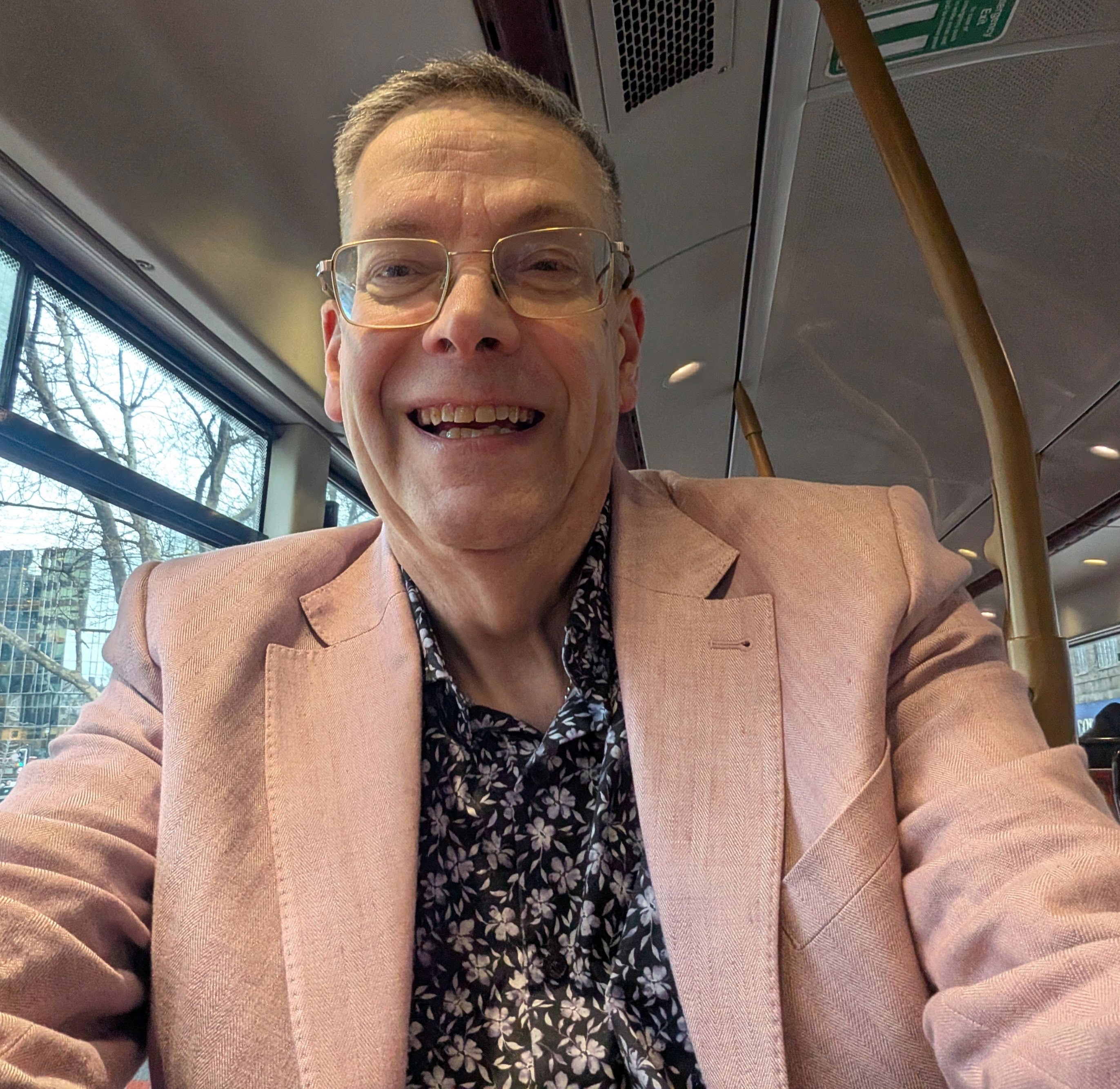
For anyone who knows me they know that my clothes aren’t always those typically warn by a fifty-eight-year-old man at such conferences. Slightly hesitantly, I sported my pink jacket on day one of the conference. I find it sparks conversation which is great and I use that conversation to highlight my advocacy.
Women in Transport:
I was again pleased to be part of the discussions around the invitation for Women in Transport to be a partner to the conference. That helps raise the profile and I wore my WiT badge with pride. More importantly though it led to some great interactions. Compared to say five years ago I was encouraged to see so many more female delegates, exhibitor and speakers at the conference.
I was asked how people could get involved and the first answer to that is to join - Women in Transport. It is only £60 per year, and many employers allow employees to recover the costs of a professional subscription. As a member you have access to a wide range of events online and in person and a chance to contribute some of the most important topics and access vast swathes of research and information.
Events are run nationally and regionally and I am proud to make a small contribution by being part of the West Midlands Committee run so ably by Sue Walnut with Sandeep Kaur Dulay LSSBB, BSc Hons as her deputy.
Speaking to women at TTG I heard more than once a worry about embarking in public speaking activities. I would encourage getting involved with WiT where there can be opportunities to develop speaking confidence in front of a supportive audience.
Other interactions:
During my session chairing some sessions in Platform Two for the morning of day two I had the opportunity to briefly explain that I was at TTG partly in a professional capacity but also as an ally and advocate.
After my session one of the participants came up to for a chat and suggested that his organisation didn't actively seek only men as new staff members but that was often who applied. I was able to suggest that it might not be intentional but there could be bias. I highlighted a case where I had shown a previous employer's job advert was likely to have attracted mostly male applicants - calling for a specific degree or a certain number of years’ experience and even the language used was more likely to attract male applicants.
I would urge you to check your job adverts and role profiles especially if they are based on existing long standing documents. If you are using AI in any part of your determination of applicants, then please consider Algorithmic Misogyny. Even the most casual enquiry to the LLM AI systems will see them accept that a system trained on material primarily produced by white able-bodied men tends to favour such individuals.
Being a male ally:
I was asked what advice I would give to a man wanting to be a male ally to women working in transport.
Firstly, I would suggest they join WiT. My experience has been one of absolute welcome and the resources available offer insights that have opened my mind. For any men interested in such allyship there are, of course, lots of resources available on the internet.
I did say I am happy to share my experience on male allyship as long as it is on the understanding that I do not claim to be an expert.
AI in public transport
AI and wider use of technology was obviously a hot topic. I am fascinated by what it can do for customer service in public transport especially for women and those with additional needs.
AI may be the missing link in providing additional information for those contemplating public transport journeys such as around safe walking routes.
An app could easily share my journey progress with someone at home or a friend to see that my journey is going to plan. It could help me notify someone to say I am fearful of my situation.
On my way to London the lift was once again out of order at Wolverhampton station. That is no problem for me I use the stairs. But what if I cannot use the stairs? How did I know the lift was broken, what do I do now – perhaps catch a train to Birmingham and change there, is my very specific ticket eligibility going to put me into conflict with a train manager on a train that I hadn’t planned to travel on, will there be support to help me board that train, will I miss my connection, then what….
The questions are endless and the reality for someone for whom that lift is essential not just a convenience when I have a heavy case. Now we have the capability to answer all these questions and provide joined up responses – but who is actually taking forward these critical use cases? Who cares?
When I look at public transport information needs, I believe that we must seek to emulate my car’s sat nav. It dynamically understands how best to route me and updates in real time as situations and circumstances change. I can speak to it (essential when in a car) but also really helpful in other instances where inputting to a phone while moving around can be difficult and a security concern.
Looking at this, it was suggested to me that the base data simply isn’t reliable enough. I recognise that concern and also recognise there is little appetite for a retrospective correction of data and the maintenance of it. I believe that the opportunities and possibilities that are now available to us could be the trigger for that rework of base data to be undertaken. Real value could result.
While I am an amateur in the subject, I am keen to engage if anyone thinks my views are helpful.
Digital Exclusion
The session I chaired at TTG included sessions on digital identify. This is very exciting and has so many opportunities and may revolutionise much of what we do.
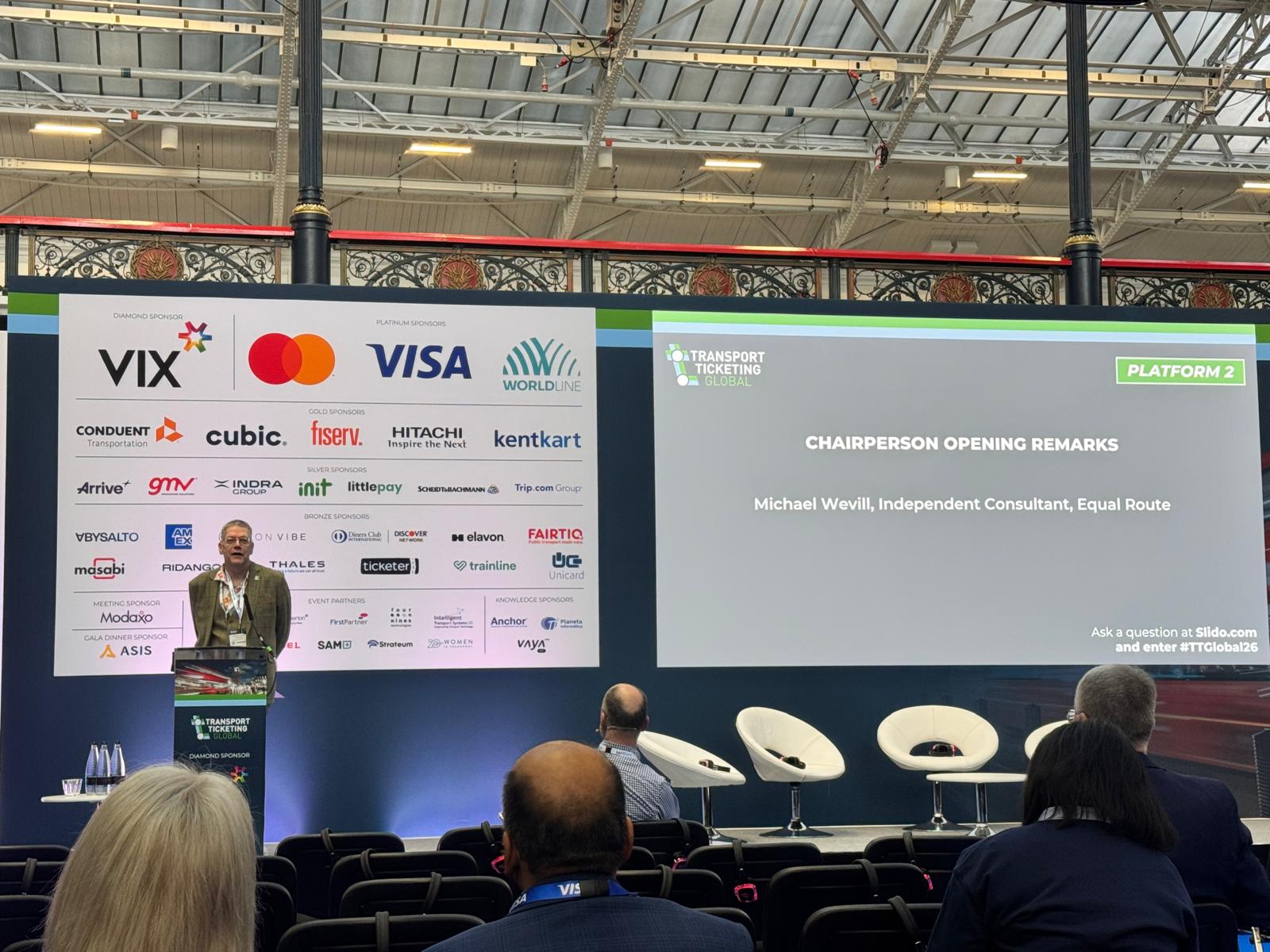
However, I took the advantage of having the mic to ask the very last question, not actually expecting an answer.
Who is advocating for the “can't”?
Those who cannot navigate the technology that so many of us take for granted?
In just the last few weeks I have had examples where we have had to set up an account for our nineteen-year-old son with Downs Syndrome together with my elderly mother in law. Neither system recognised that sometimes people need carers and limited access to one person, one email address. Fortunately, Google allows me to set up additional email addresses that I use for just this purpose.
Someone somewhere is looking at a metric that shows both my son and mother-in-law have signed up – so that is ok then. They know the reality but ignore it because it is noise to them. Without us to deal with their affairs this wouldn’t be noise it would be total exclusion.
Again, who cares?
Odd socks
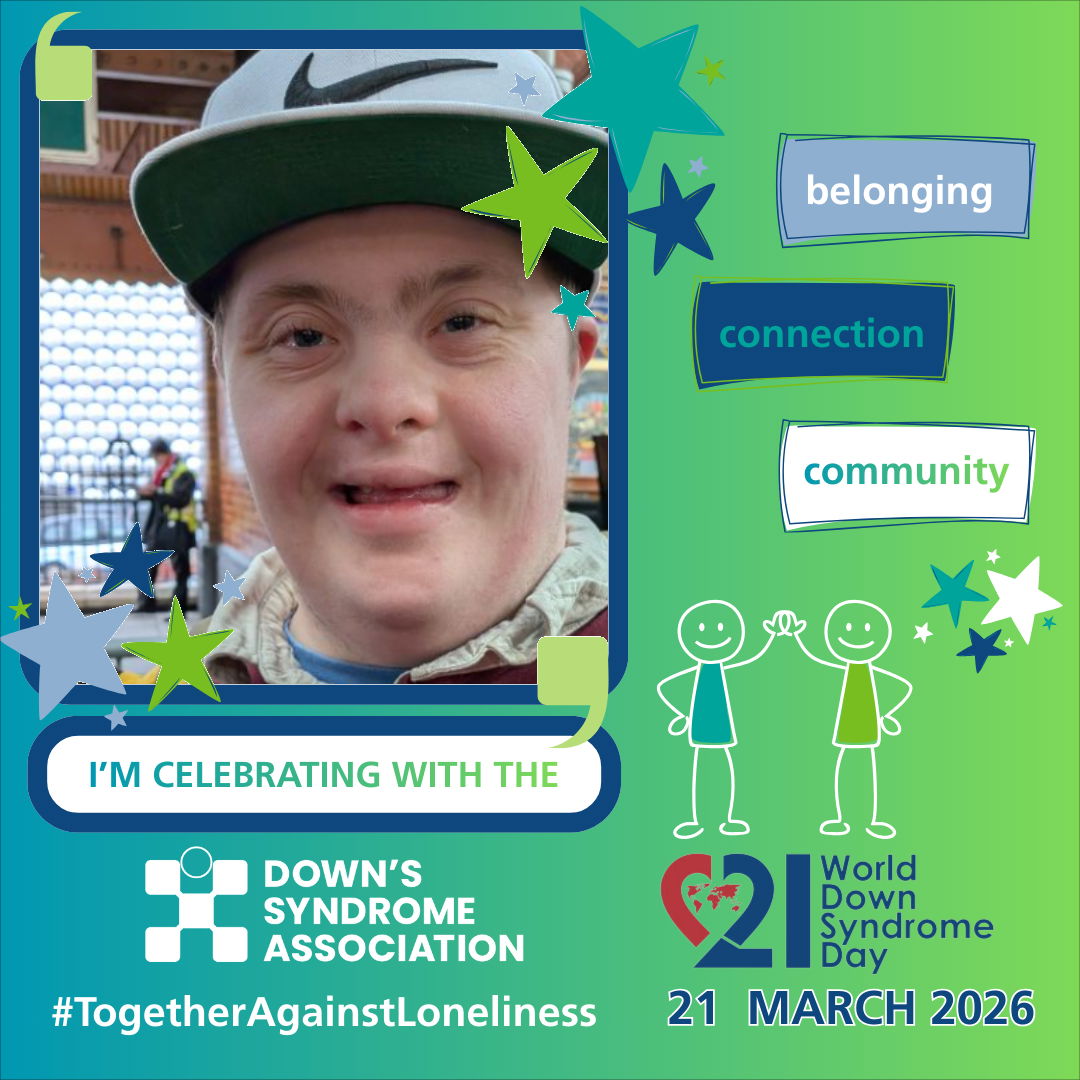
I did get to wear my odd socks in support of World Downs Syndrome Day, this year on 21st March 2026.
I am always touched by anyone that takes in an interest in that as it clearly a subject I have a passion for.
https://www.downs-syndrome.org.uk/our-work/campaigning/world-down-syndrome-day/
Overall
As always I was grateful to be able to speak up for others while attending the conference.
I hope that I made some kind of limited impact and moved forward the debate.
Truthfully when I ask the question "who cares?" the answer is probably too few of us, and not nearly often enough.
It was a real privilege to be able to included within a photograph with these women who showed such expertise and enthusiasm around all things Women in Transport.
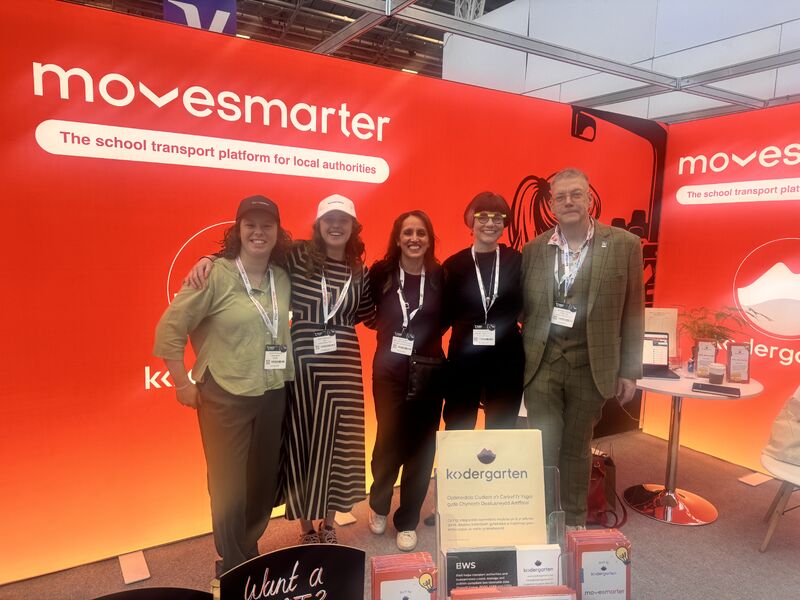
Jocelyn Elleby Tess Harwood Dal Kalirai Sue Walnut
I will never know as much as them. I don't have their lived experiences. But I can still make a contribution